


You know the feeling. You spent months diligently studying Dutch. You breezed through A1, feeling a rush of progress every time you learned a new verb conjugation or finally understood the difference between de and het. Then A2 felt like a solid achievement, you could order a coffee, ask for directions, and survive basic small talk at the office.
But then, you hit the wall. The dreaded A1-to-B1 plateau.
Suddenly, progress feels agonizingly slow. You understand more of what people say, but when you open your mouth, the same basic sentences tumble out. You're trapped in a frustrating limbo: too advanced for beginner materials, but not fluent enough to comfortably join a group conversation without feeling completely lost. If you're feeling this right now, I want to assure you: this is normal. But more importantly, it's fixable.
The Illusion of Progress

The biggest trap of the intermediate plateau is confusing passive understanding with active ability. When you listen to a podcast or read a news article, your brain does an incredible job of filling in the blanks. You get the gist, and it feels like you're learning. But recognizing a word when you read it is entirely different from retrieving it instantly in the middle of a fast-paced conversation.
Think of it like recognizing a face in a crowd versus drawing that face from memory. Passive skills (reading and listening) develop much faster than active skills (speaking and writing). At the B1 level, this gap becomes glaringly obvious. You need to bridge it, and passive exposure alone won't do it.
To break through, you must force your brain to produce language, not just consume it. This is where Dagboek becomes an essential tool. By writing about your day and getting immediate corrections, you force yourself to actively retrieve vocabulary and structure sentences, turning passive knowledge into active ability.
Stop Collecting Words, Start Building Sentences
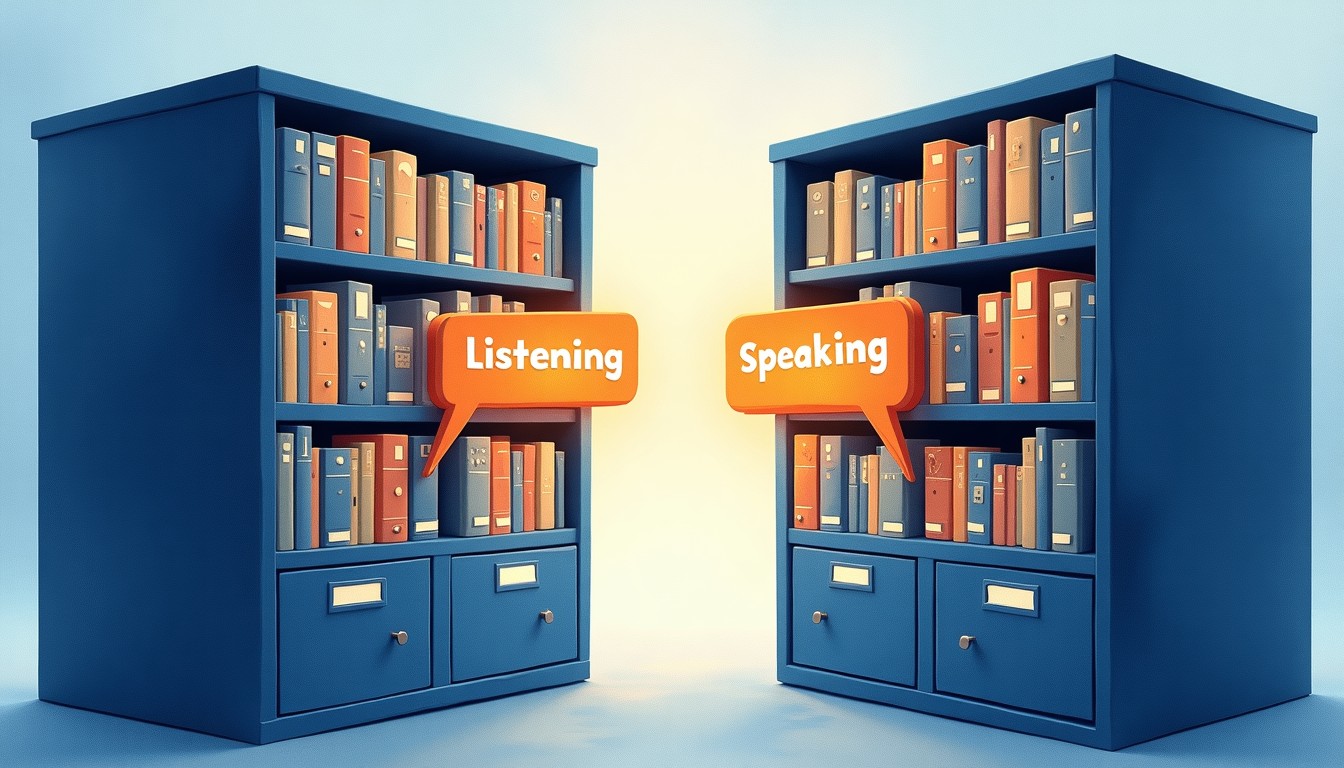
Beginners often focus on vocabulary lists. Learning "apple," "chair," and "bicycle" is satisfying because it's quantifiable. But fluency isn't about knowing isolated words; it's about stringing them together quickly and naturally.
At the B1 level, you need to shift your focus from individual words to "chunks", common phrases and sentence structures. Instead of learning the word waarschijnlijk (probably) in isolation, learn the chunk: Dat is waarschijnlijk waar (That is probably true). Learning chunks reduces the cognitive load during conversation because your brain doesn't have to assemble every sentence from scratch.
Here’s a practical exercise: take a text you understand well. Don’t just read it; analyze it. Highlight useful phrases and practice saying them out loud until they feel natural in your mouth. You want these structures to become automatic.
Embrace the Discomfort of Speaking

The harsh truth about the plateau is that breaking it requires stepping out of your comfort zone. You have to start speaking, even when it's messy and uncomfortable. Many learners wait until they feel "ready" to speak, but the only way to get ready is by speaking.
Yes, you will make mistakes. You will use the wrong word order. You will forget vocabulary you thought you knew perfectly. Dit is onderdeel van het proces (This is part of the process). Every mistake is a data point for your brain, signaling what needs improvement.
If finding speaking partners is difficult, or if you feel too self-conscious, you need a safe environment to practice. This is where the Fluency Tulip is invaluable. It allows you to practice pronunciation and speaking in a low-pressure setting, receiving feedback to refine your skills before you test them in the real world.
Consistency Over Intensity

Finally, remember that language learning is a marathon, not a sprint. Cramming for three hours on Sunday is far less effective than practicing for twenty minutes every single day. Consistent, daily engagement tells your brain that Dutch is important and needs to be retained.
Build a routine that fits your life. It doesn't have to be perfect; it just has to be consistent. If you need help building that structured routine, Email Training delivers manageable, daily exercises directly to your inbox, keeping you accountable without overwhelming your schedule.
Breaking the plateau isn't about finding a magic trick; it's about changing your approach. Shift from passive consumption to active production, focus on chunks instead of isolated words, and embrace the messy process of speaking. You've already come so far. Keep pushing, and you'll find yourself on the other side.
