
Have you ever felt like you're running in circles with Dutch? You learn a word, forget it, learn it again. You start a new method, abandon it after two weeks. You feel like you're always starting over. What if I told you that this very feeling – the 'opnieuw' (again) mentality – is actually your greatest asset?
The Power of Starting Over
In Dutch culture, 'opnieuw' isn't a failure. It's a fresh start. Think about it: the Dutch are masters of trial and error. From their polders (reclaimed land) to their direct communication style, they embrace iteration. Language learning is no different. Every time you start 'opnieuw', you bring more context, more neural connections, and more resilience.
For example, when you review a word you've seen before, your brain strengthens the memory trace. This is called spaced repetition, and it's built into tools like the Dagboek app. You write about your day, get corrections, and review them later. Each 'opnieuw' is a step forward.
Why Quitting Can Be Productive

I'm not advocating giving up. I'm advocating strategic quitting. If a method isn't working, drop it. Start over with something new. The Dutch word 'opnieuw' literally means 'anew'. It carries a sense of renewal. When you feel stuck at A2, maybe it's time to 'opnieuw' with a different approach: focus on speaking instead of grammar drills.
Many learners waste months on ineffective methods. The NT2 Trainer helps you assess your current level and target weak spots. Sometimes starting 'opnieuw' with a diagnostic test can save you months of frustration.
Practical Tips to Embrace 'Opnieuw'
- Set micro-goals: Instead of 'I want to be fluent', aim for 'I will learn 5 new words today, and if I forget them, I'll learn them again tomorrow.'
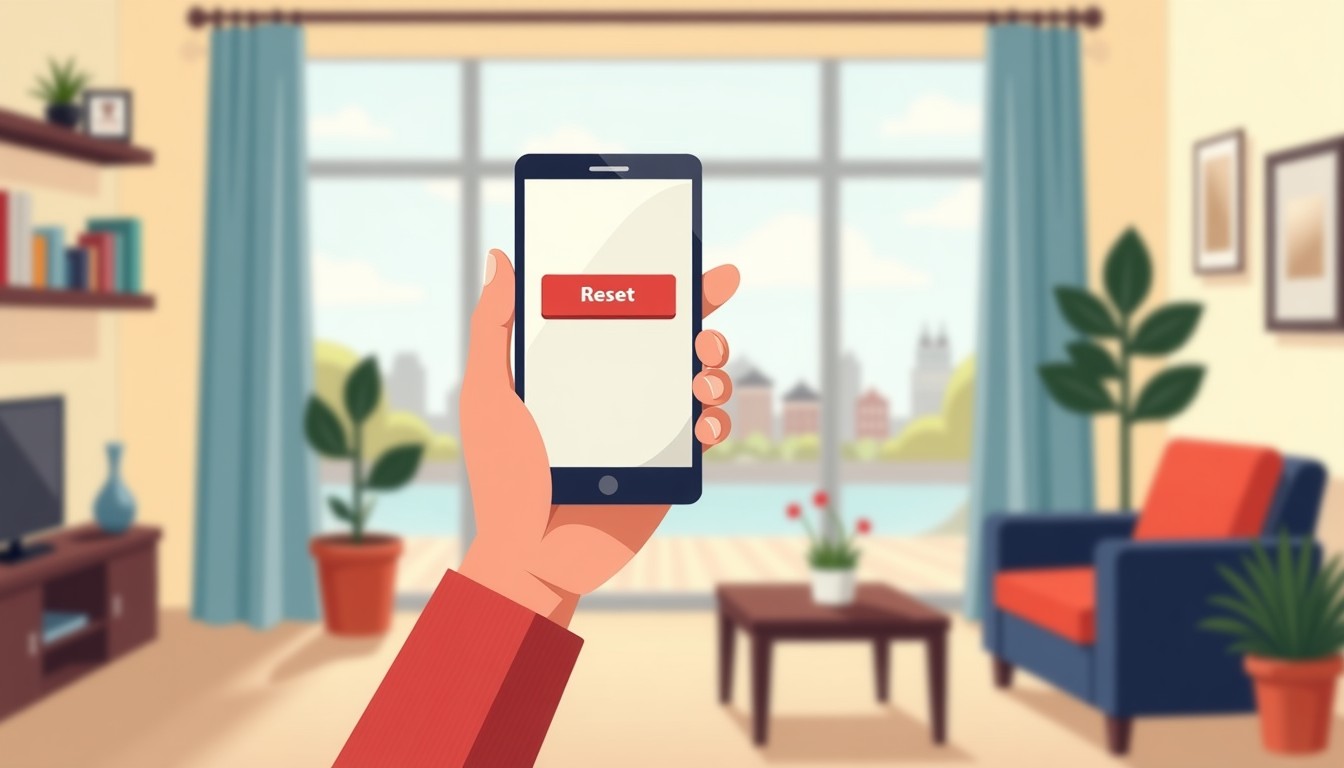
- Use the 'opnieuw' button: In many Dutch Fluency apps, you can reset a lesson. Don't be afraid to hit it. It's not regression; it's reinforcement.
- Reframe failure: When you forget a word, say 'Ik begin opnieuw' (I start again) out loud. This simple act shifts your mindset.

Een voorbeeld: 'Ik heb de toets niet gehaald, maar ik begin opnieuw.' (I didn't pass the test, but I start again.) This sentence is your new mantra.
How Dutch Fluency Apps Support the 'Opnieuw' Mindset
Every app in the Dutch Fluency toolkit is designed for iteration. The DFL Reading Method lets you read and re-read texts at your level. The Jouw Podcast delivers daily content you can listen to again and again. Repetition isn't boring; it's the path to automaticity.
Imagine this: you listen to a podcast episode today, understand 60%. You listen 'opnieuw' tomorrow, understand 70%. By the third time, you catch new words. That's the power of starting over.
Conclusion
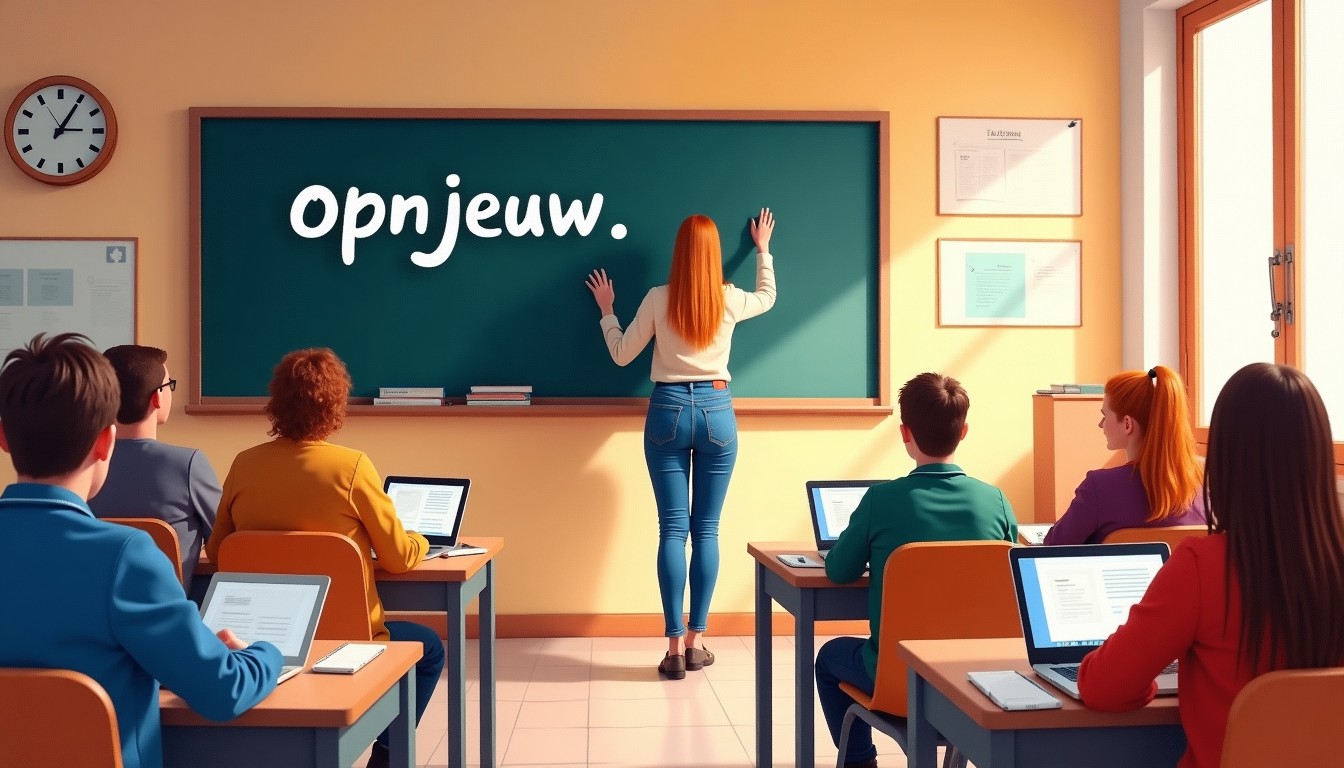
Stop fearing the 'opnieuw' moment. It's not a sign of weakness; it's a sign of growth. Every time you start over, you're one step closer to fluency. So go ahead, begin opnieuw. Your Dutch will thank you.
Frequently Asked Questions
Q: Is it normal to forget words I've learned many times?
A: Absolutely. Forgetting is part of the learning cycle. Each time you retrieve a word, you strengthen it.
Q: How many times should I start over before it's a waste?
A: There's no limit. The key is to vary how you practice. Use different contexts: reading, writing, speaking.
Q: What if I feel demotivated by starting over?
A: Change your perspective. See it as a fresh start, not a setback. Celebrate small wins each time.
Q: Can I use 'opnieuw' in a sentence?
A: Yes! 'Ik begin opnieuw met mijn studie.' (I start my study again.) It's a powerful phrase.
Vocabulary Table
| Dutch | English | Example |
|---|---|---|
| opnieuw | again | Ik begin opnieuw. |
| beginnen | to start | We beginnen opnieuw. |
| herhalen | to repeat | Ik herhaal de les. |
| vergeten | to forget | Ik vergeet het woord. |
| onthouden | to remember | Ik onthoud de zin. |
| vloeiend | fluent | Ik wil vloeiend worden. |
| doorzetten | to persevere | Ik zet door. |
| mislukken | to fail | Het is mislukt, maar ik begin opnieuw. |
| volhouden | to keep up | Ik hou het vol. |
| oefenen | to practice | Ik oefen elke dag. |
